

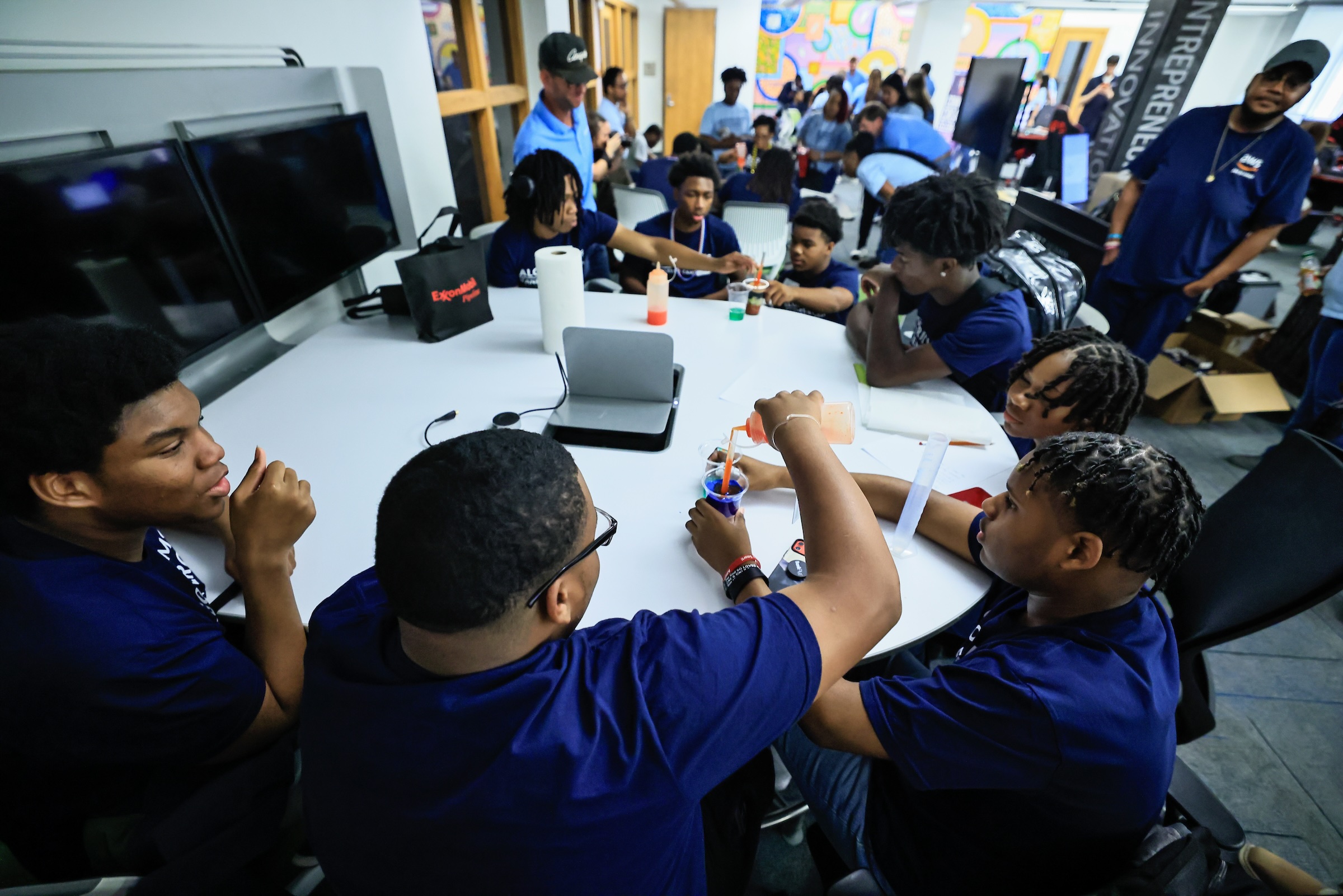
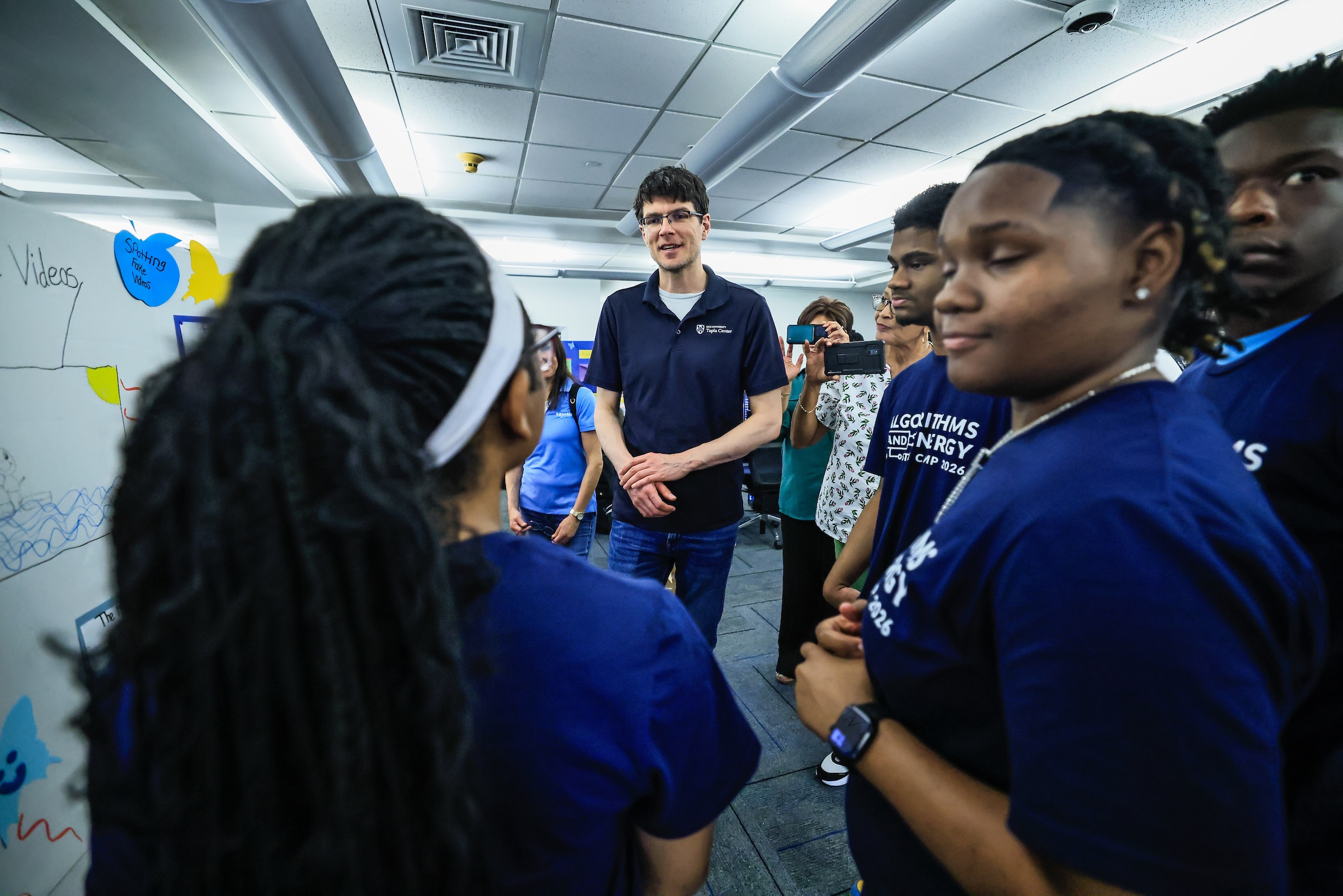
(JACKSON, Miss.) — Jackson State University, in collaboration with ExxonMobil and Rice University’s Tapia Center, recently hosted the third annual ExxonMobil-Jackson State University STEM Summer Camp, welcoming approximately 100 rising 10th–12th grade students from across Mississippi for a week of hands-on STEM learning and innovation.
Held June 1–5 on the JSU campus, the camp focused on algorithms, computational analysis, heat transfer and energy while exposing students to real-world applications of science, technology, engineering and mathematics (STEM).
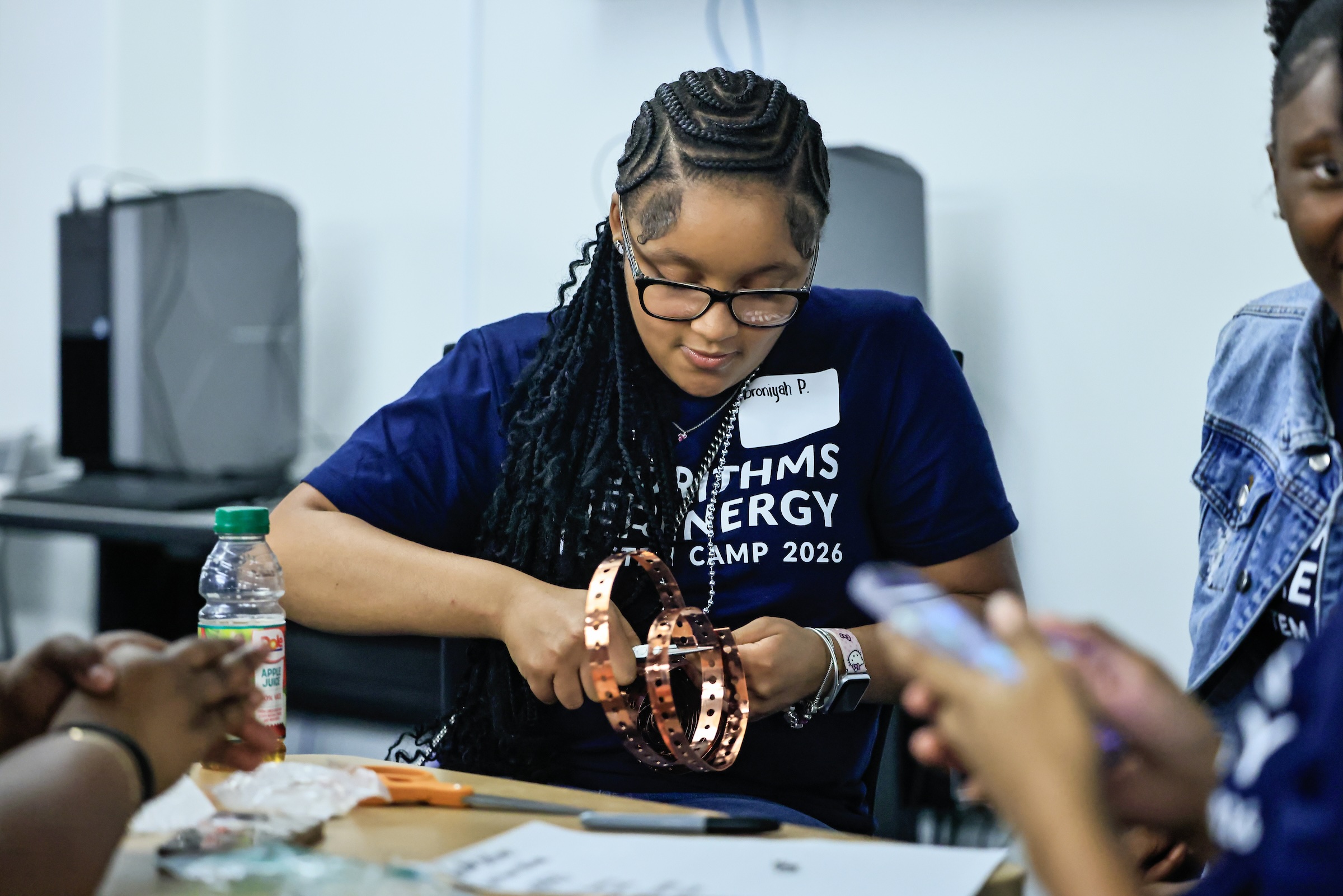
Designed to inspire students to pursue STEM careers, the weeklong program combined project-based learning, mentorship, teamwork, and problem-solving activities led by university faculty, educators, ExxonMobil employees and summer instructors.
““Inspiring young people to pursue STEM careers is personal to me,” said Denise Jones Gregory, Ph.D., President of Jackson State University. “As a scientist and chemistry professor, I’ve seen how exposure to science, technology and innovation can shape a student’s future and open doors to lifelong opportunities. We are proud to continue this partnership with ExxonMobil and Rice University as we help students explore how STEM skills and computational thinking can be applied to real-world energy challenges and future careers.””
Throughout the week, students participated in instructional sessions, collaborative projects, and team-based activities designed to strengthen analytical thinking, communication and presentation skills.
“Programs like this help students see how STEM education connects directly to the future of energy, technology, and innovation,” said Michael Butler, Public & Government Affairs Manager for ExxonMobil Pipeline Company. “By bringing together industry, higher education, and hands-on learning opportunities, this camp is helping prepare the next generation of problem-solvers and leaders.”
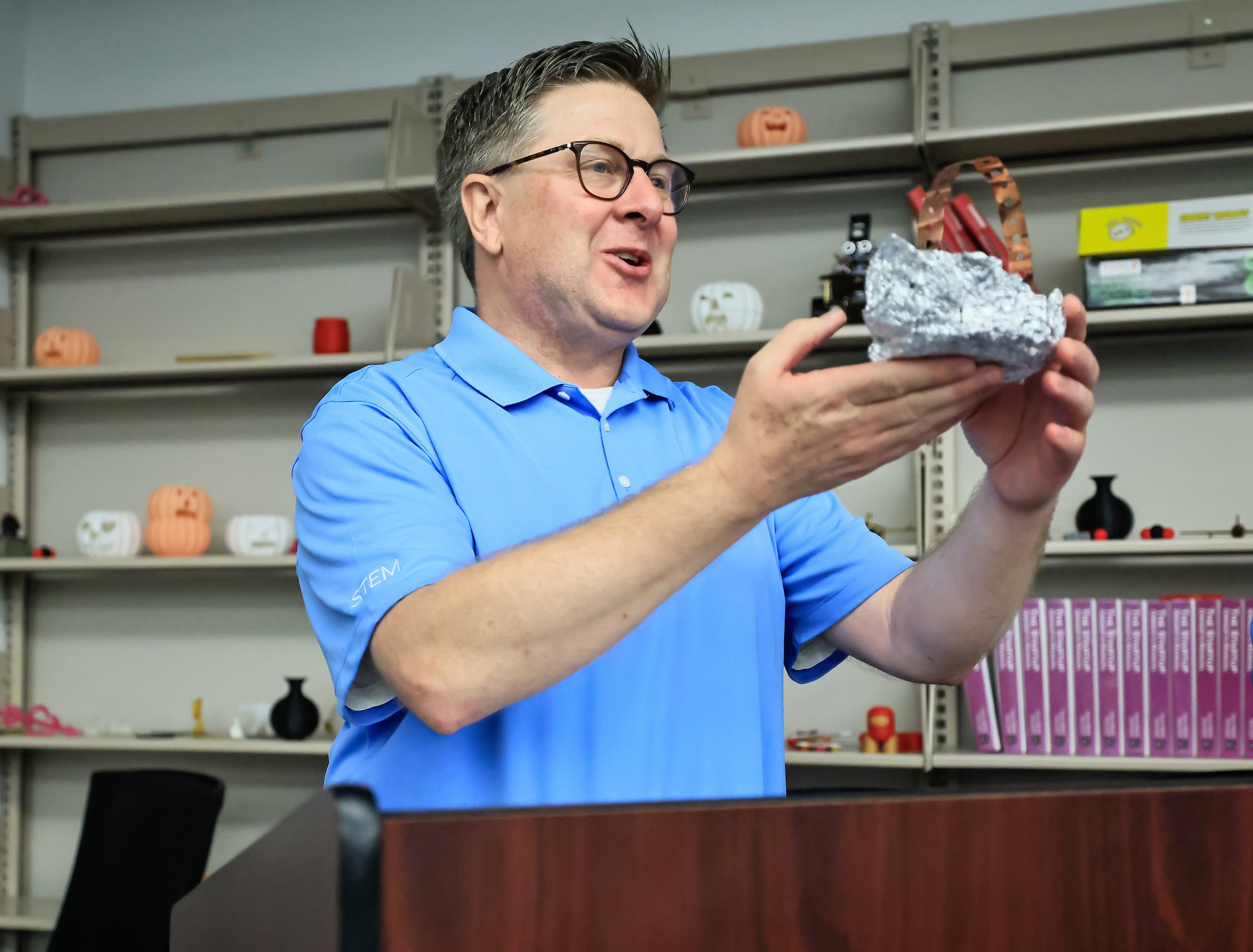
Camp highlights included a visit to the JSU Innovation Center, presentation workshops, guest speakers, and a final student science fair and competition showcasing projects focused on algorithms and energy concepts.
“At Jackson State University, we believe hands-on learning experiences can ignite curiosity and build confidence in the next generation of STEM leaders,” said Almesha L. Campbell, Ph.D., Vice President for Research and Economic Development and lead for the ExxonMobil partnership at JSU. “This camp continues to demonstrate what’s possible when education, industry and community partners come together with purpose. Through this year’s focus on algorithms and energy, students are gaining exposure to innovative technologies, teamwork and problem-solving skills that will serve them well in the future.”
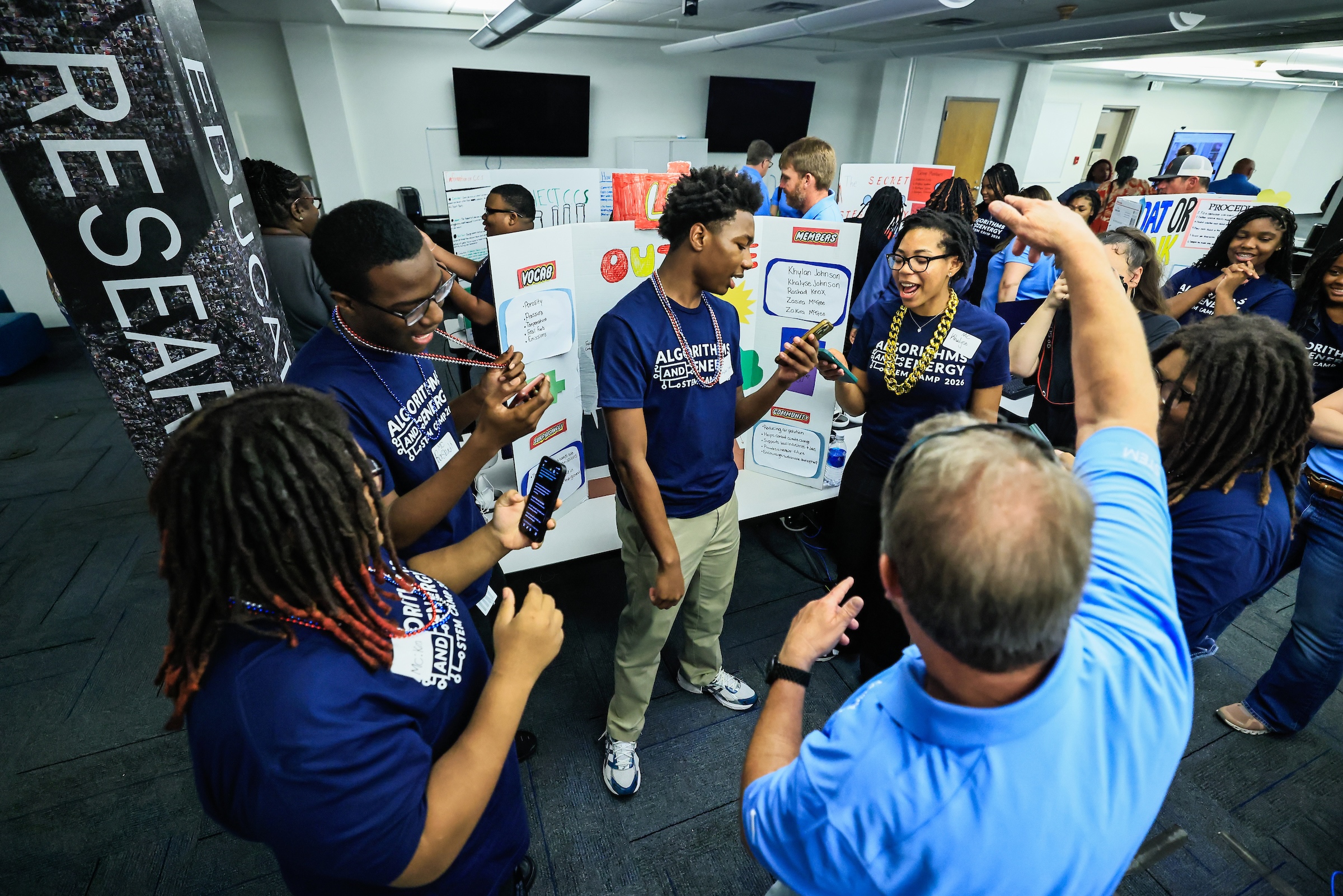
On the final day of camp, students competed in a heat transfer and CO₂ competition before presenting research posters and projects to community leaders, educators, legislators and industry representatives during the camp’s student science fair and awards banquet.
Ahead of the camp, educators also participated in a train-the-trainer session hosted on JSU’s campus to help integrate curriculum concepts into the summer educational experience.
“This camp gives students the opportunity to connect STEM concepts to real-world challenges and future careers,” said Paul Hand, Ph.D., Executive Director of Rice University’s Tapia Center. “Through hands-on projects and teamwork, students strengthen critical thinking and problem-solving skills while gaining exposure to the technologies shaping the future of energy and engineering.”
###