

By Mia M. Johnson
(JACKSON, Miss.) – As part of this week’s celebration of Research Engagement Week, Jackson State University is recognizing its research teams and student inventors who have recently secured patents, grants or recognition for their inventions.
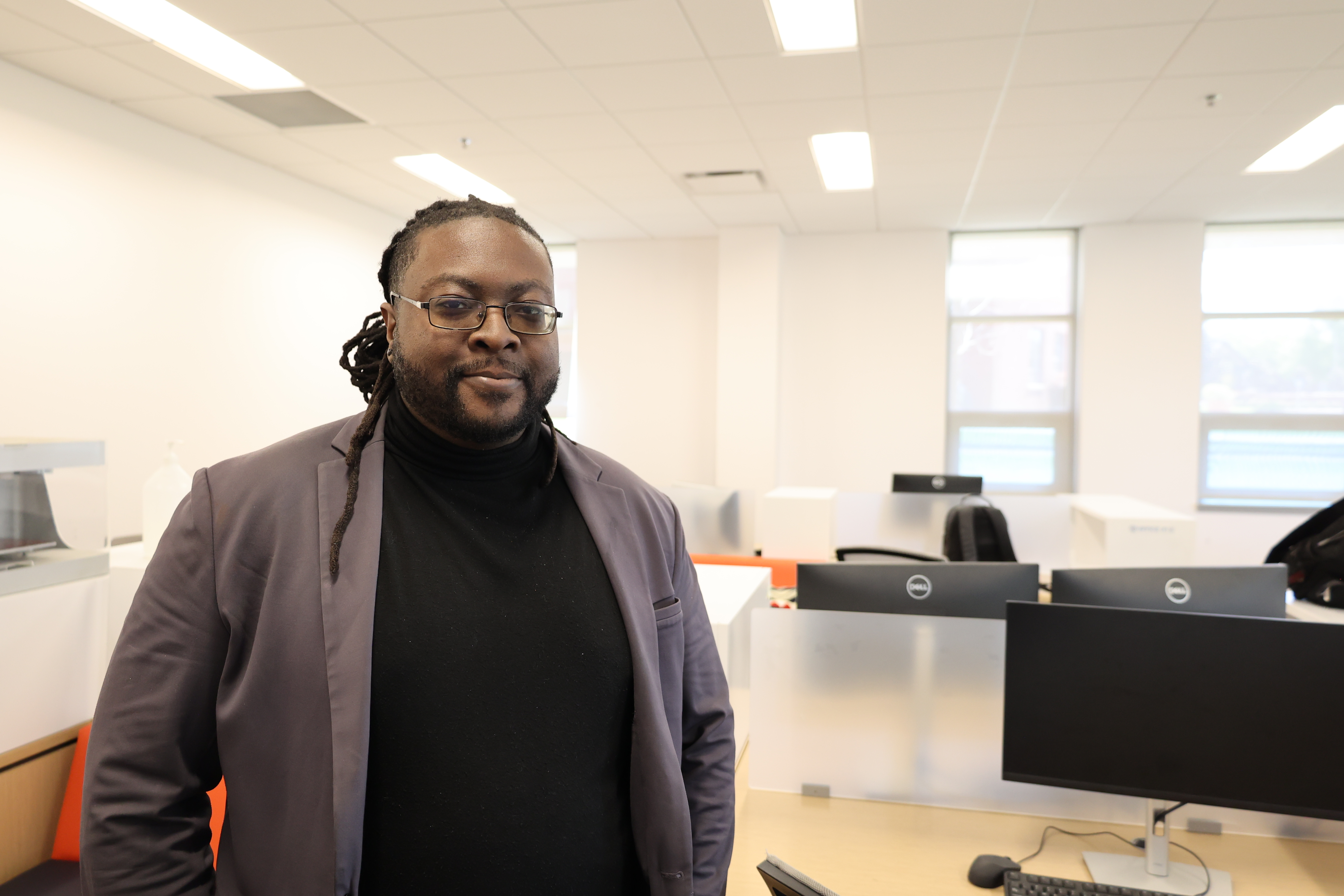
Today, the university is highlighting graduate student Brandon Newton.
Newton, who is currently pursuing his Master of Science in computer science with a concentration in artificial intelligence, was recently named a 2025-2026 IBM Master’s Fellow, an honor that recognizes outstanding academic achievement, research excellence, and future leadership in technology.
Through the fellowship, Newton is being awarded a $10,000 stipend and will be paired with an industry mentor, offering direct access to cutting-edge research and professional development opportunities.
“IBM’s selection of Brandon Newton highlights the level of research talent emerging from Jackson State,” said Almesha L. Campbell, Ph.D., vice president for research and economic development. “His work demonstrates the type of interdisciplinary thinking shaping the next generation of innovation in medicine and technology.”
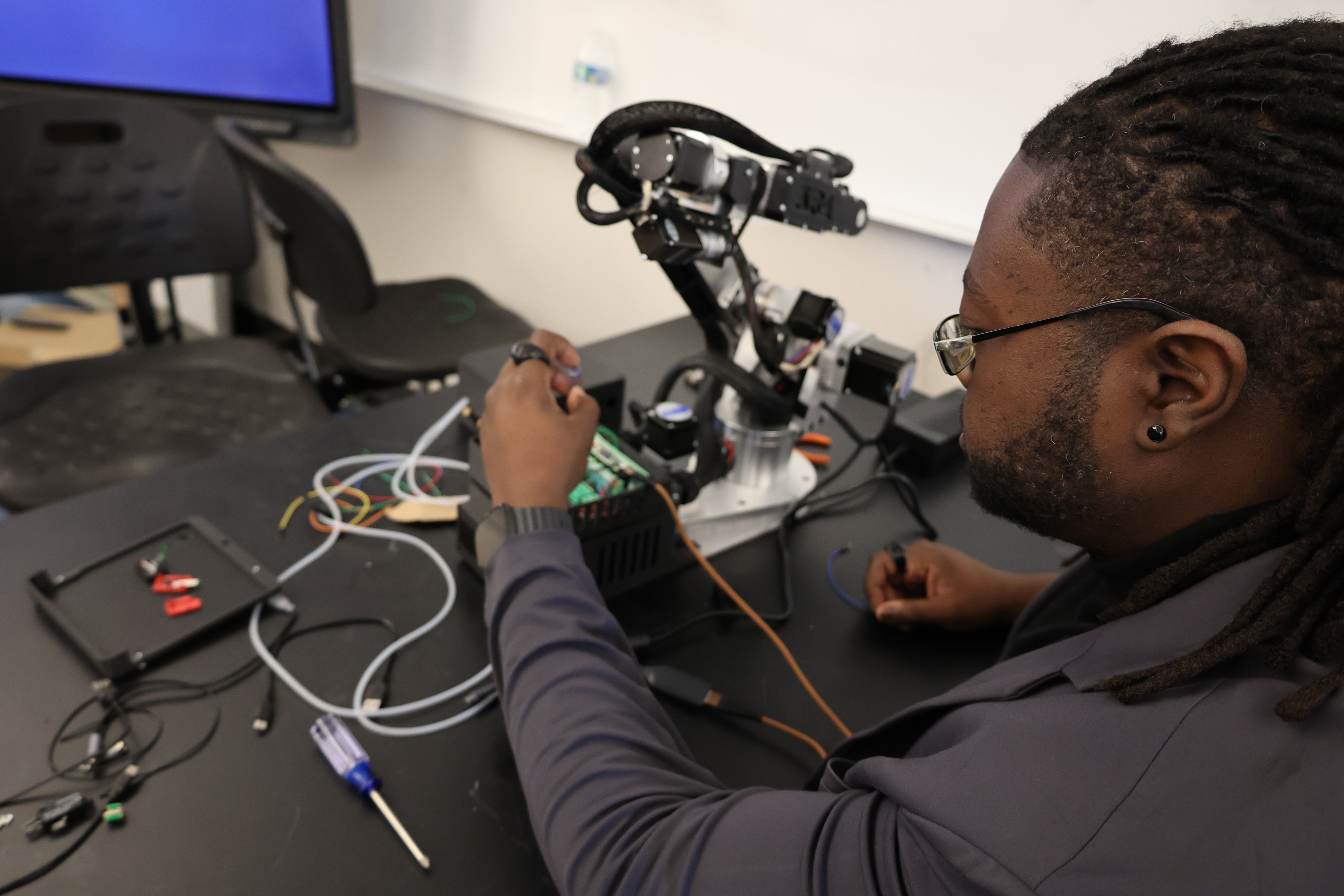
Newton said he plans to use the stipend to support research for his master’s thesis, which explores how artificial intelligence can guide robotic systems to perform precise medical procedures.
“I am extremely excited,” said Newton. “This is the biggest academic award I’ve received, and it opens the door to resources, especially in areas like quantum computing, that could revolutionize personalized medicine.”
Being a graduate student at JSU is a full-circle moment for Newton, who began his higher education journey at JSU where he earned his Bachelor of Science in chemistry, graduating summa cum laude.
After beginning medical school at Meharry Medical College, he developed a growing interest in tissue and organ engineering for personalized medicine. That interest led him to Rutgers University, where he spent five years conducting stem cell research focused on muscle regeneration while also gaining business training.
“I wanted to have a larger impact on medicine.” Newton said. “I realized I could potentially reach more people through innovation and technology than through individual patient care.”
Now back at Jackson State, Newton is excited about his field of study in artificial intelligence. He sees the future of surgical robotics as potentially transformative for medicine.
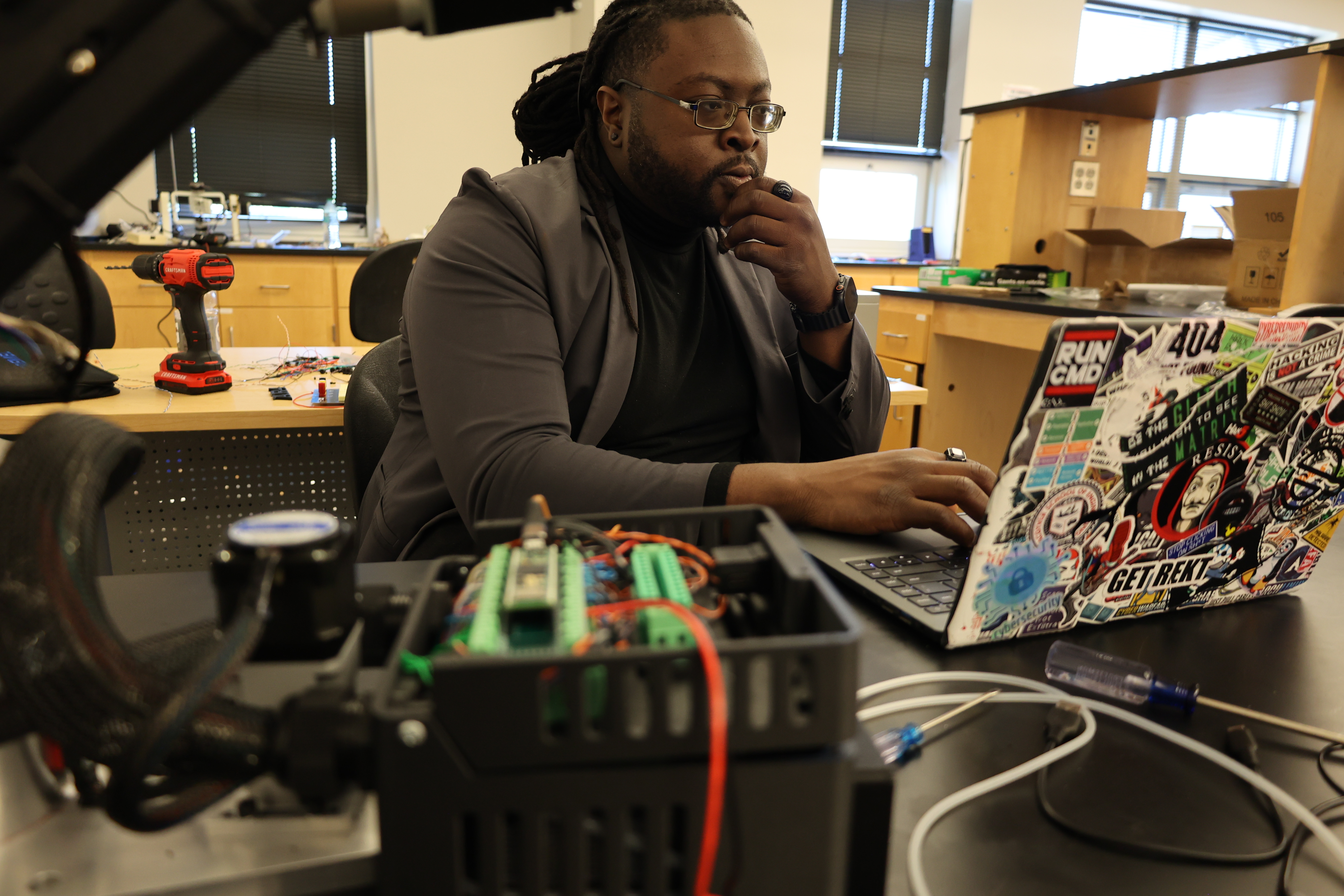
“We are building robot arms from scratch using open source systems, which has been a rewarding experience.The goal is to attach surgical tools and determine whether AI can perform precise dissections as instructed.”
Newton’s achievement adds to Jackson State’s growing portfolio of research advancing technology with real-world impact.