

By Kelli Sharpe
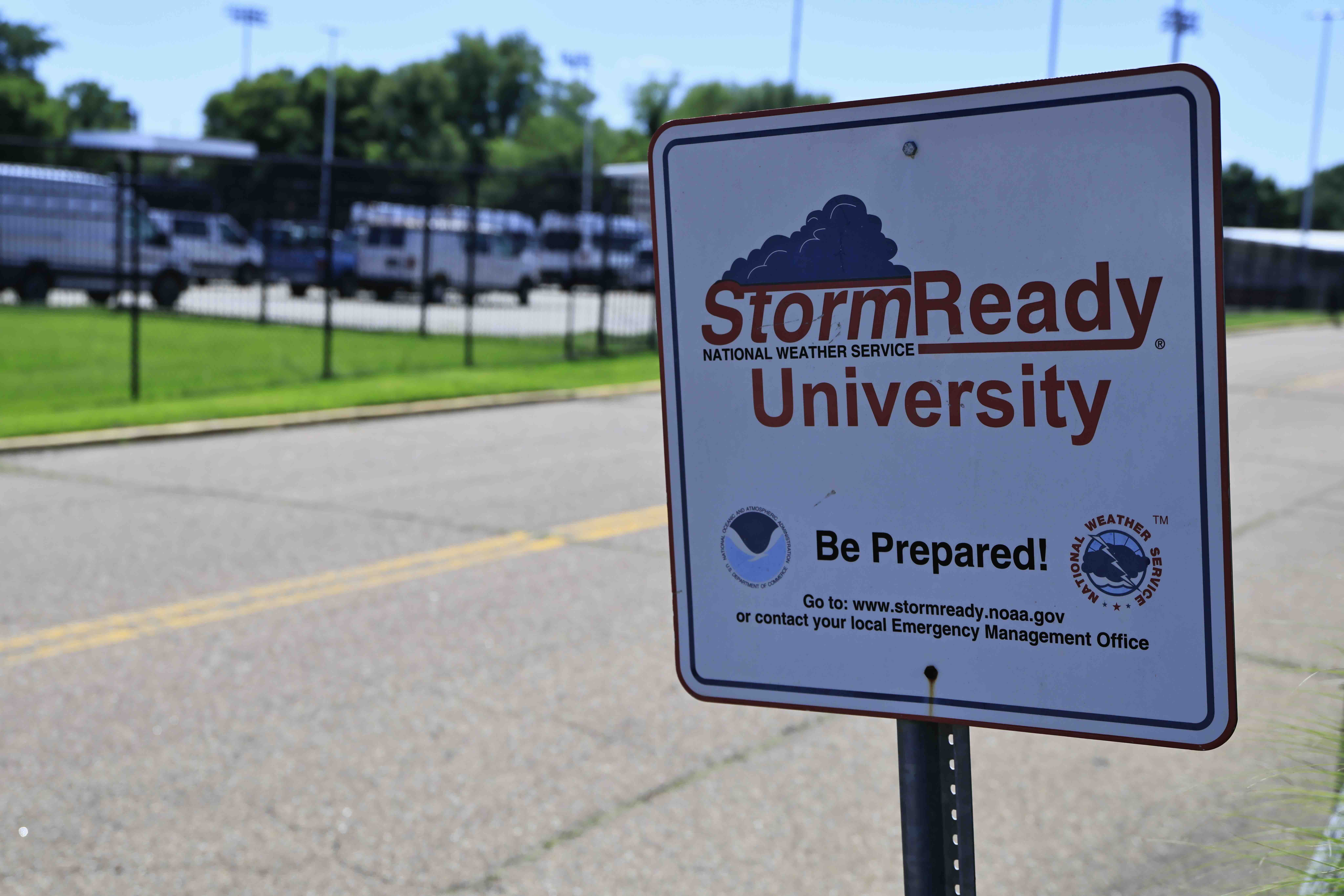
The Project STEP Initiative also strengthens campus emergency preparedness, as the university renews its StormReady designation and advances climate and health equity.
(JACKSON, Miss.) — Jackson State University (JSU) continues to solidify its role as a national leader in public health and community safety through its groundbreaking health-equity research initiative, Project STEP. Supported by a $1.5 million grant, the program engages students in community-based participatory research addressing the critical intersections of climate change, emergency preparedness, and health disparities along the Mississippi Gulf Coast.

Under the leadership of Principal Investigator Dawn Bishop McLin, Ph.D., a tenured professor in the Department of Psychology, the initiative provides students with hands-on research experience, financial stipends, and foundational professional skills.
“Through Project STEP, Jackson State University is expanding opportunities for students to engage in meaningful research and workforce development experiences along the Mississippi Gulf Coast,” said McLin.
“This work is helping lay the foundation for future research, student leadership, and community partnerships that will have a lasting impact across our state and region.”
The $1.5 million initiative serves as a powerful pipeline for academic and career advancement, already elevating student voices to national platforms. JSU students recently presented their findings at the prestigious HBCU Climate Change Conference in New Orleans, an event co-hosted by the Deep South Center for Environmental Justice and the Bullard Center for Environmental and Climate Justice.
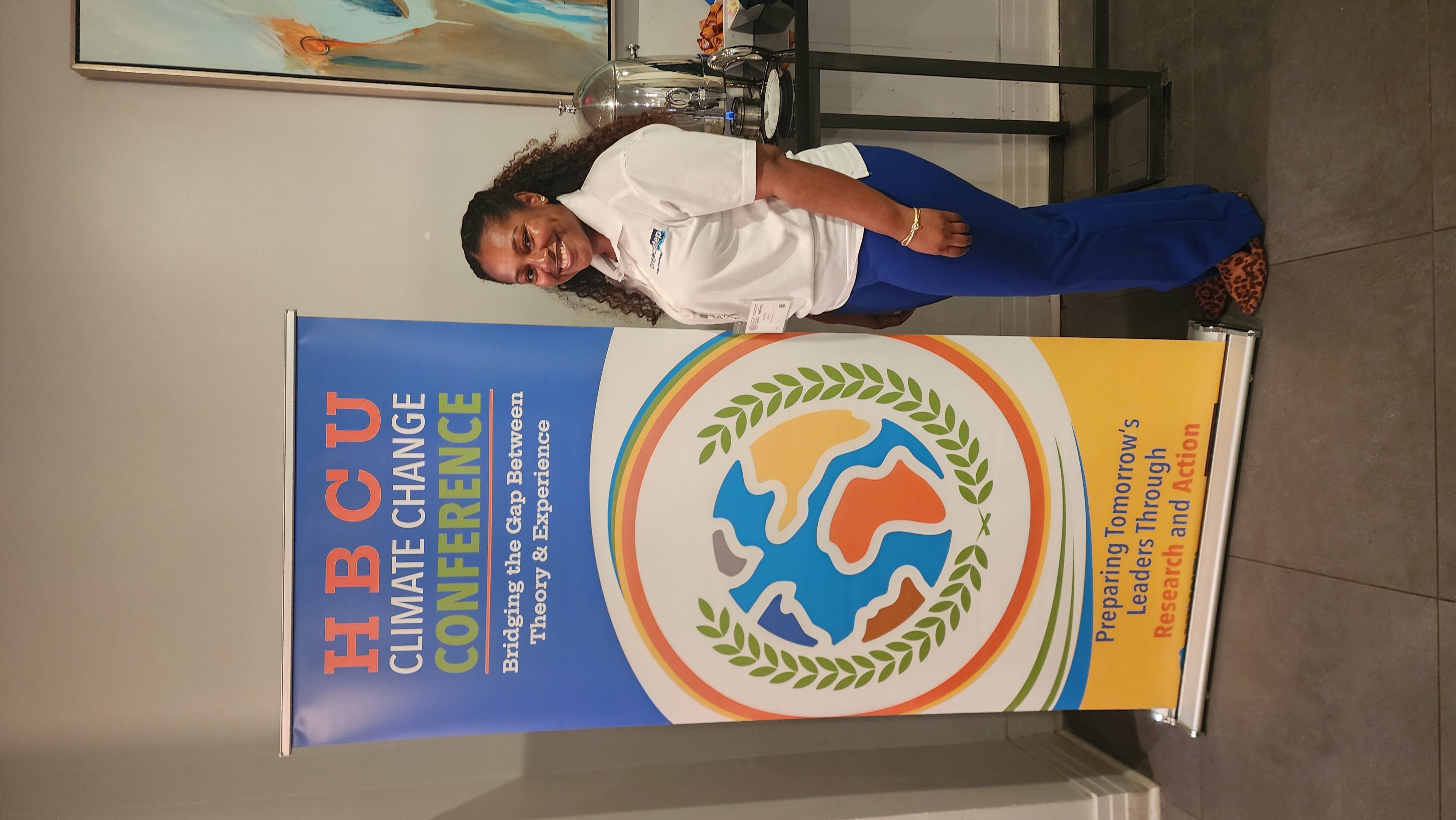
Project STEP bridges the gap between academic theory and real-world advocacy. Alex Morris, a fourth-year clinical psychology Ph.D. student from Montgomery, Alabama, noted the important nature of the program.
“It was a great experience. I learned that research can be a tool for advocacy, got to work with some amazing people, and got to see how important this kind of research is and how it can impact real people.”
Manu Kwarteng, a psychology undergraduate student from Chicago, Illinois, credited the initiative with launching her next academic chapter.

“My experience being a part of Project STEP has been nothing short of amazing. I have gained valuable research experience and a lifelong mentor in Dr. McLin. I know this project contributed to my admission to Mississippi State’s graduate program.”
Project STEP’s focus on emergency preparedness has also yielded major structural dividends for the physical campus, directly contributing to JSU renewing its StormReady Campus designation from the National Weather Service (NWS).
According to data from the Mississippi Department of Transportation, severe weather is a year-round concern for the state. Severe weather peaks significantly during high-wind and tornado windows from March through May, alongside dangerous late-year weather systems in November.
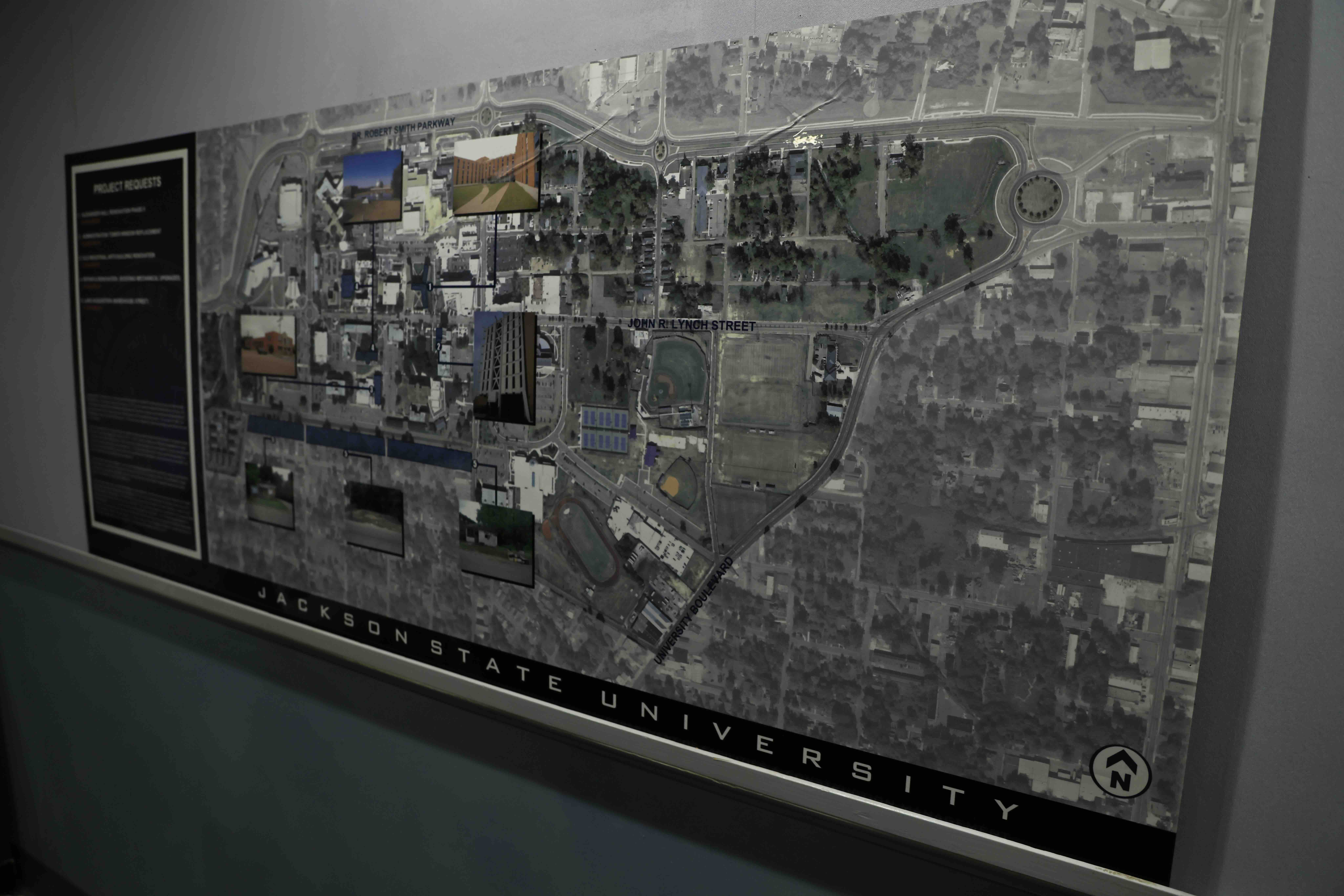
JSU’s Division of Campus Operations recently finalized several campus-wide infrastructure updates to meet rigorous NWS safety protocols. The division installed high-visibility StormReady signage across the campus and distributed specialized emergency weather radio equipment throughout university buildings. Campus Operations also collaborated with JSU’s Department of Public Safety to establish a dedicated, centralized severe weather command center.
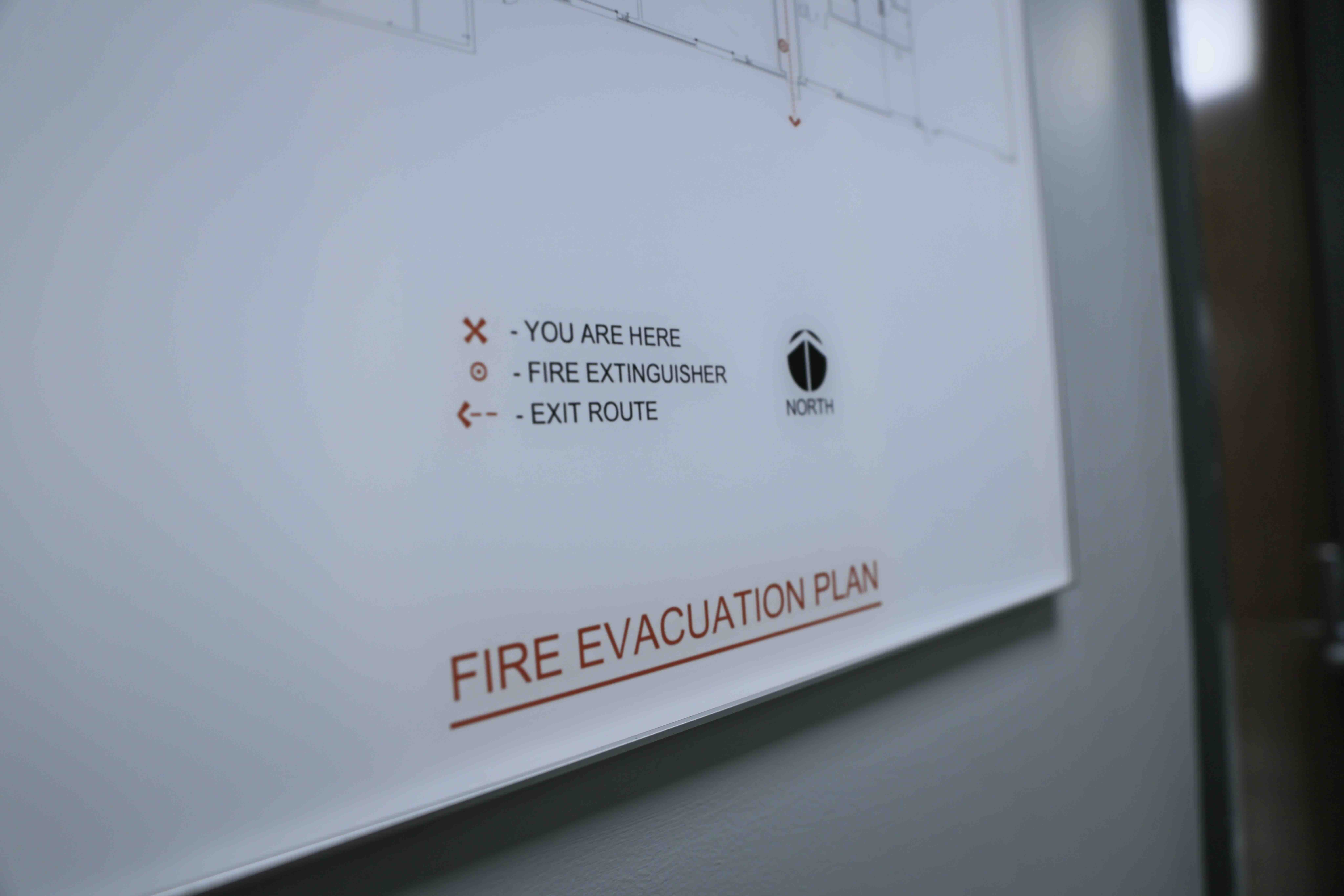
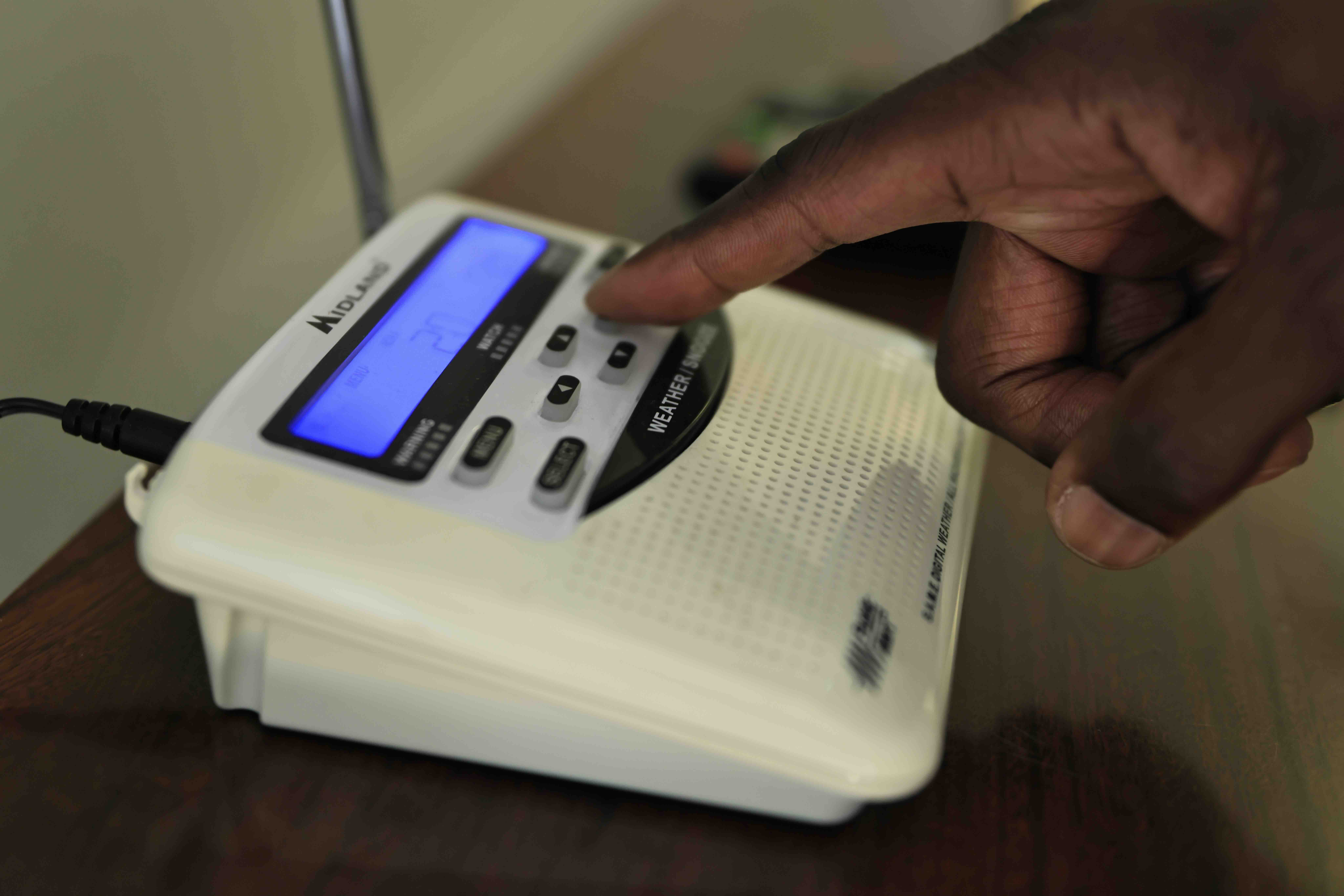
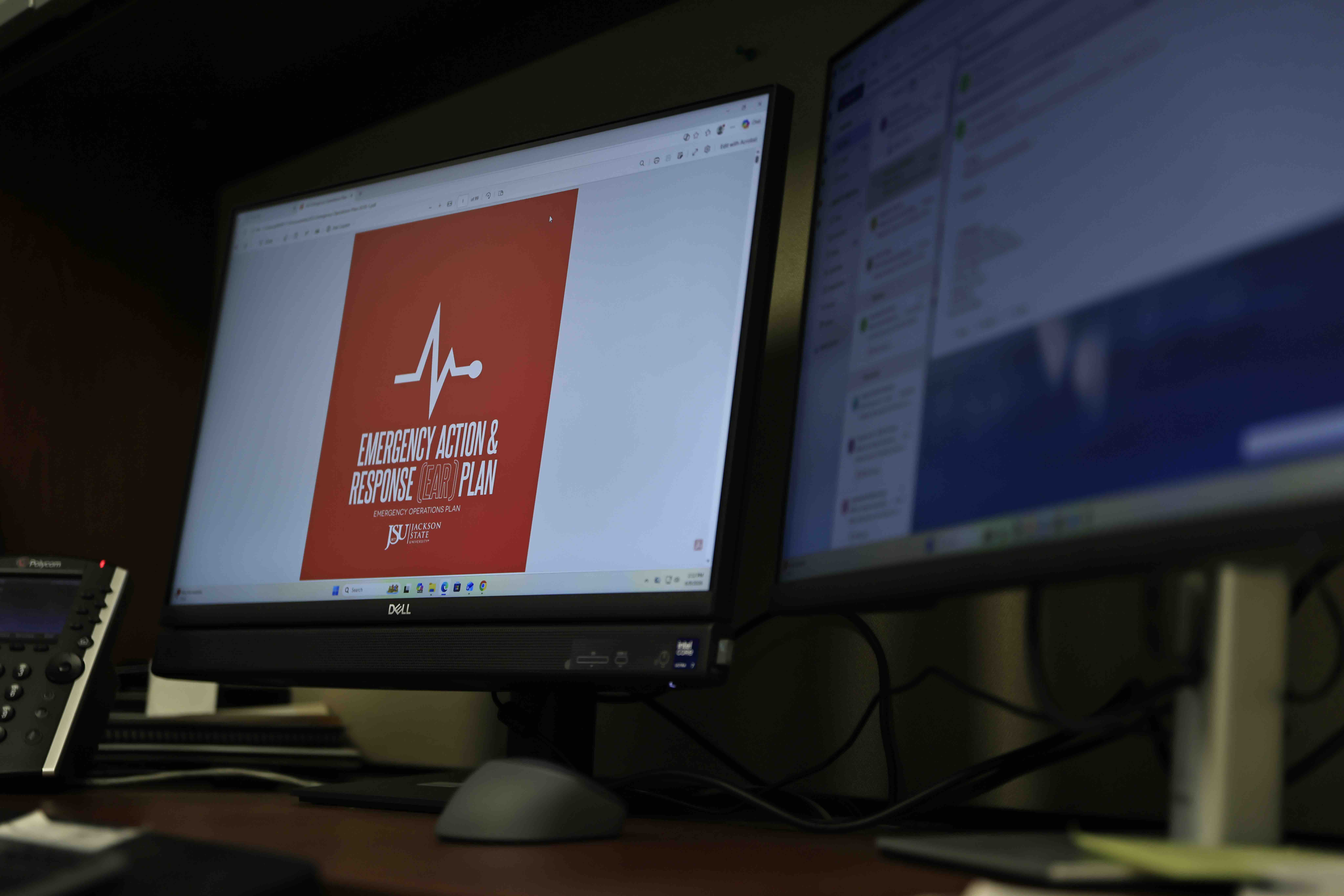
“The StormReady designation significantly strengthens the university’s preparedness and response capabilities during severe weather and other emergency situations,” said Vance Siggers, Ph.D., vice president of JSU’s Campus Operations. “Through the implementation of enhanced communication systems, trained personnel, and established response protocols, the university is better equipped to respond quickly and effectively to potential hazards.”
Project STEP exemplifies how historically Black colleges and universities (HBCUs) drive solutions for broad societal challenges.
“Our efforts highlight the important role of HBCUs in advancing climate research, supporting student success, and improving the health and wellness of communities,” McLin emphasized.

JSU integrates Project STEP’s research efforts with academic curriculum to offer a specialized Certificate Program in Emergency Preparedness through the Department of Psychology and further connect real-world safety impact with professional education.
To learn more about the original funding announcement, visit the JSU News Grant Feature.
For details on expanding your safety management skills, visit the university’s emergency preparedness curriculum portal.
###